


The Importance of Clinical Pilates in the Prenatal and Postpartum
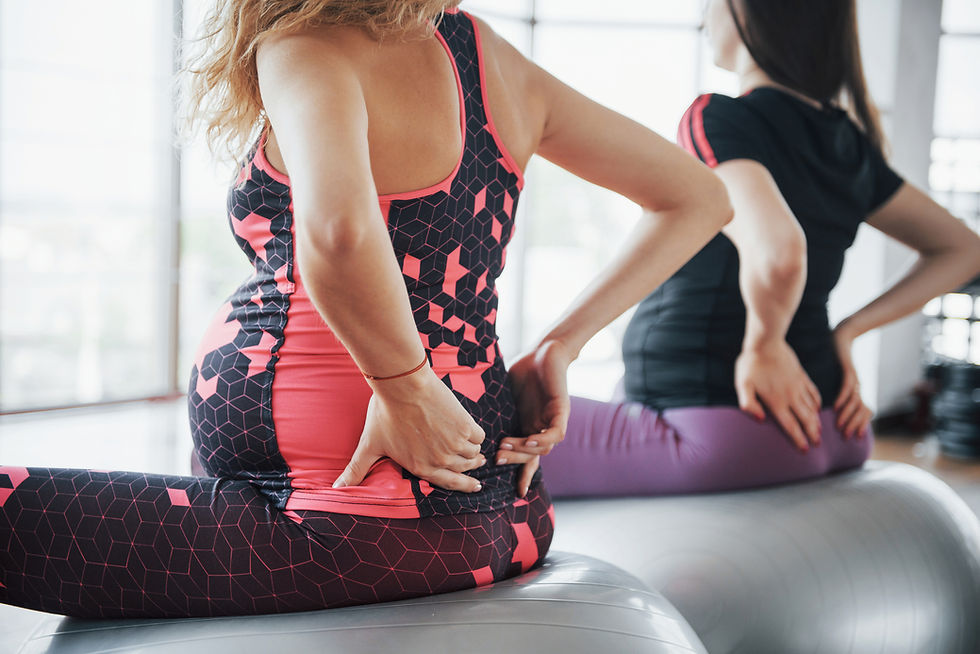
Clinical Pilates, when performed under medical recommendation and guided by a specialised physiotherapist, plays a crucial role in the well-being of both the expectant mother and the baby.
Remaining physically active during pregnancy promotes overall well-being, improved mobility, and increased muscular strength. It also supports a faster postpartum recovery, as the body adapts gradually and progressively to the changes specific to this stage. Furthermore, each session is carefully planned according to the specific needs and potential challenges of each woman.
In this way, returning to physical fitness becomes easier, as does caring for the baby without pain or discomfort.
Benefits of Clinical Pilates During Pregnancy
1. Strengthening of the Core and Pelvic Floor
- Helps support the baby’s weigh.
- Reduces the risk of abdominal diastasis.
- Improves pelvic floor control, facilitating childbirth and aiding recovery.
2. Reduction of Pain (Lumbar, Hip, Cervical)
- Improves postural alignment.
- Increases stability.
- Reduces typical pregnancy-related discomfort caused by biomechanical changes.
3. Improved Breathing and Body Awarenes
- Teaches effective breathing patterns for labour.
- Enhances body awareness, assisting movement during contractions.
4. Greater Pelvic Mobility
- Improves lumbopelvic mobility.
- May facilitate the expulsive phase of labour.
5. Improved Circulation and Reduced Swelling
- Continuous movement stimulates venous return.
- Helps reduce swelling in the legs and feet.
6. Emotional Regulation and Reduced Anxiety
- Exercise and conscious breathing promote greater relaxation.
7. Fall Prevention and Improved Balance
- As the centre of gravity shifts during pregnancy, working on balance helps prevent falls.
- Increases stability and proprioception.
Benefits of Clinical Pilates in the Postpartum Period
1. Strengthening of the Core and Pelvic Floor
- Supports recovery of pelvic floor and abdominal muscles.
- Reduces the risk of urinary, gas, and fecal incontinence.
- Contributes to increased stability and muscle strength.
2. Recovery from Abdominal Diastasis
- Deep core activation exercises help approximate the rectus abdominis muscles.
3. Improved Posture
- Relieves back pain resulting from breastfeeding and baby care.
4. Increased Flexibility and Mobility
- Assists in a gradual return to daily activities with greater comfort and safety.
5. Safe Return to Exercise
- Pilates is a low-impact activity, ideal for women gradually and safely resuming physical activity after childbirth.
Comments